Mapbox Boundaries
Global boundary datasets for analytics, mapping, and data enrichment
Boundaries 4.7: Major Europe refresh and expanded global boundary
300,000+ new and updated boundaries across 62 countries in Europe, Asia, and South America
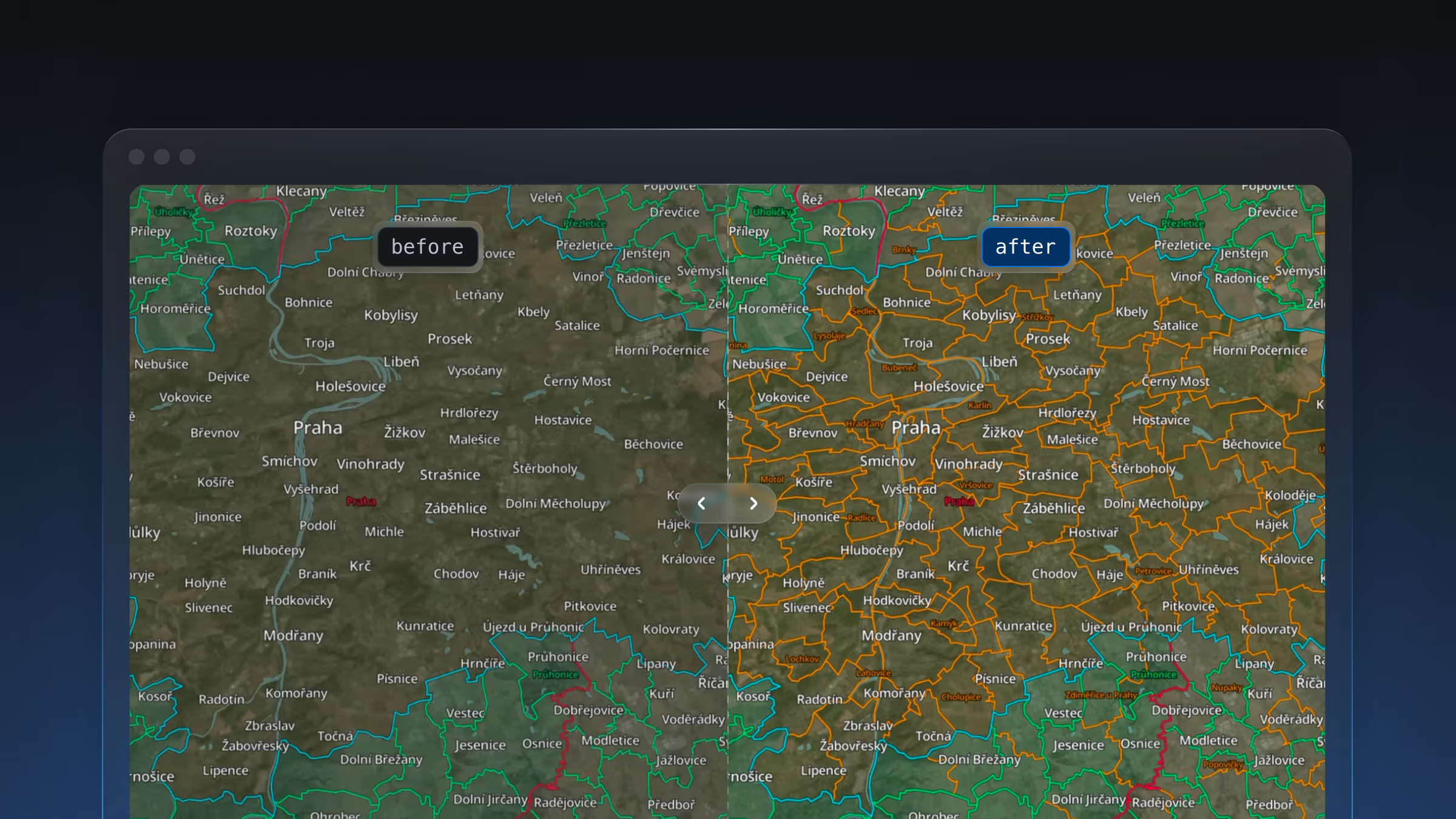

Global coverage

Flexible formats

Reliable analysis
Global boundaries at scale
5M+ high-accuracy boundaries worldwide
Flexible data formats for API access or self-hosting
Vector tilesets offer quick and lightweight API access. Flat files allow for self-hosted deployments, air-gapped environments, and advanced geospatial analysis in data science and business intelligence settings. See the flat files in action.
Built for performance at scale
High-resolution country polygons
Boundary types for every use case
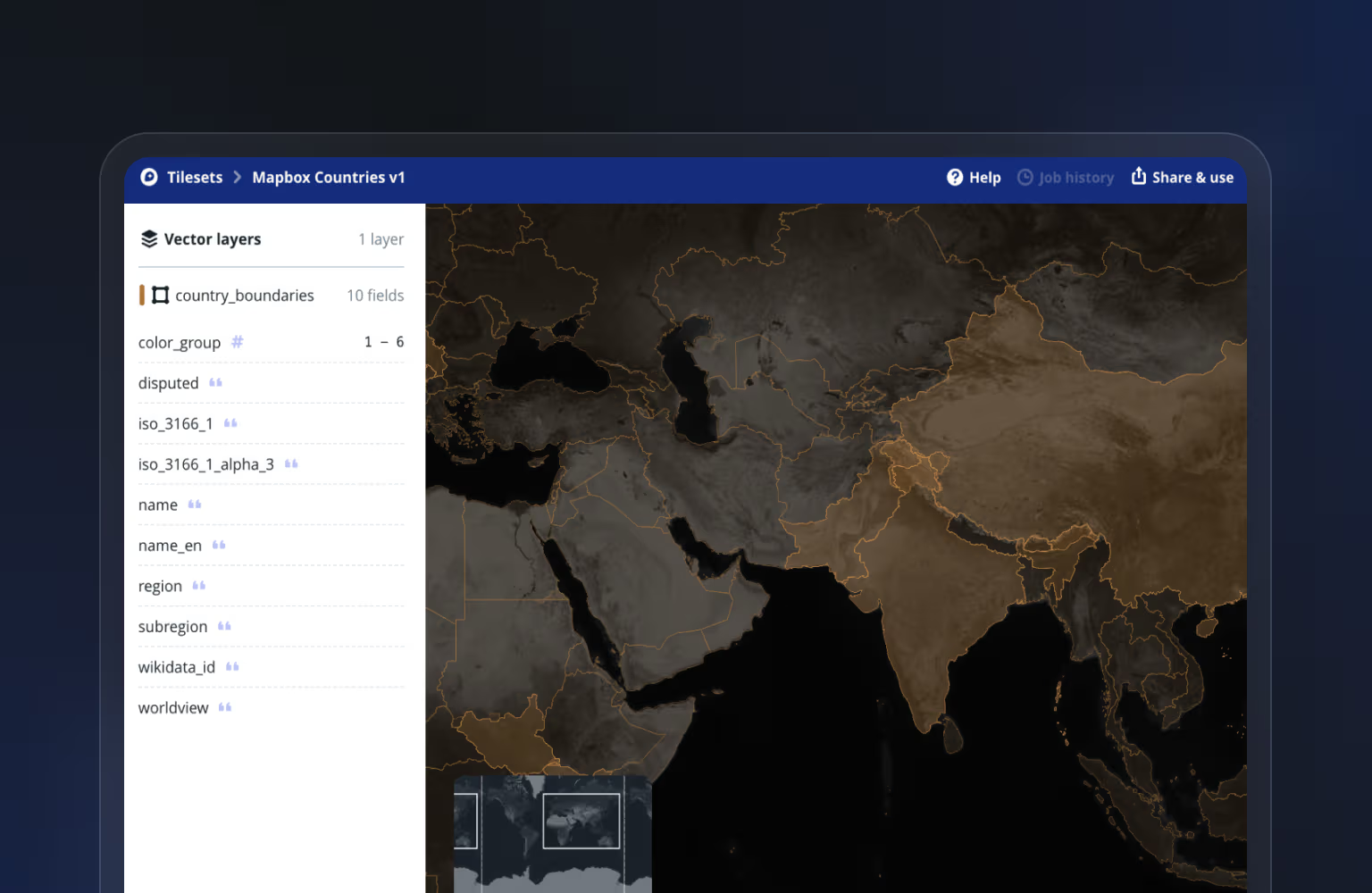
Clean, consistent geometries
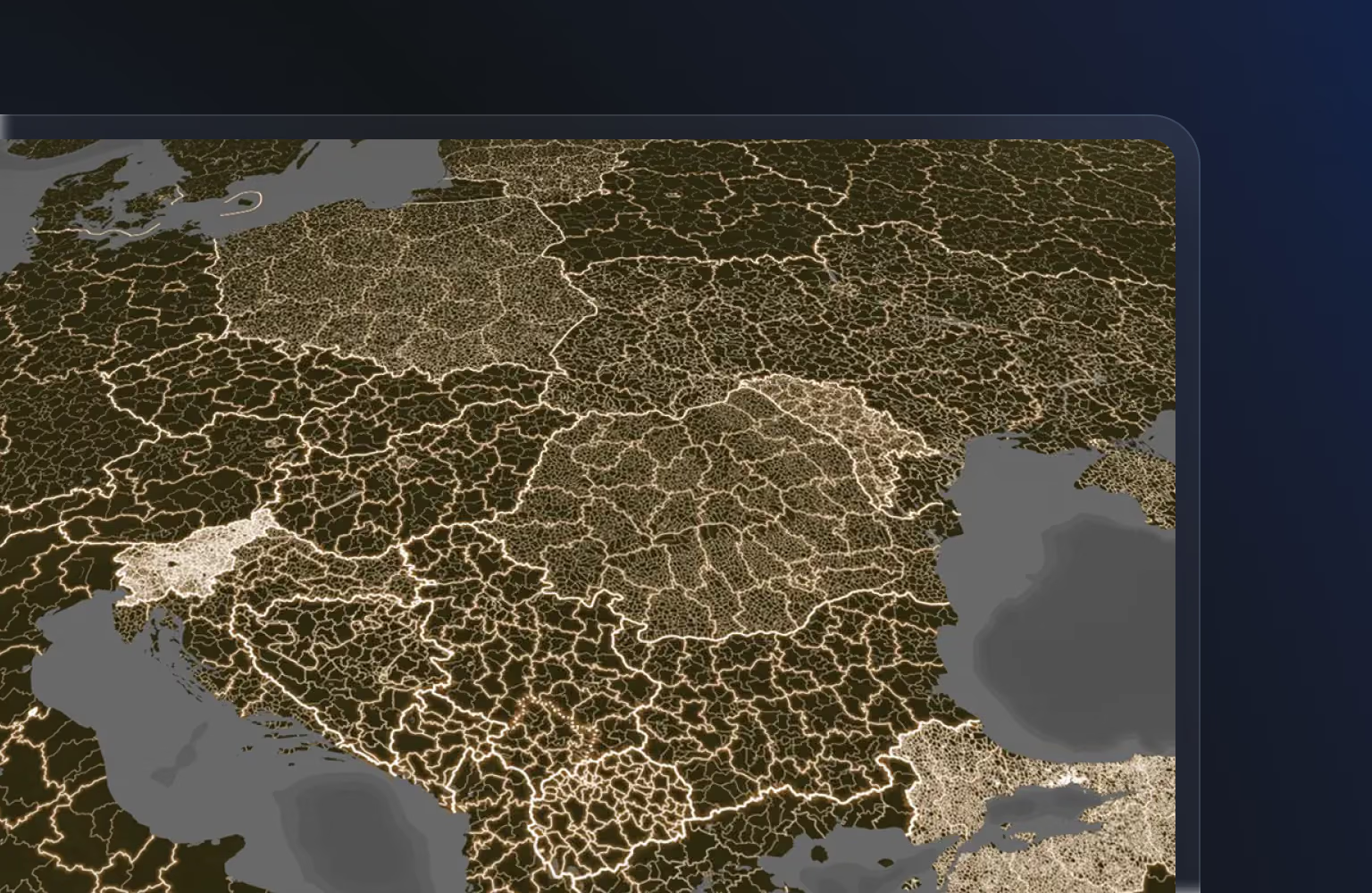
Pricing tailored to needs
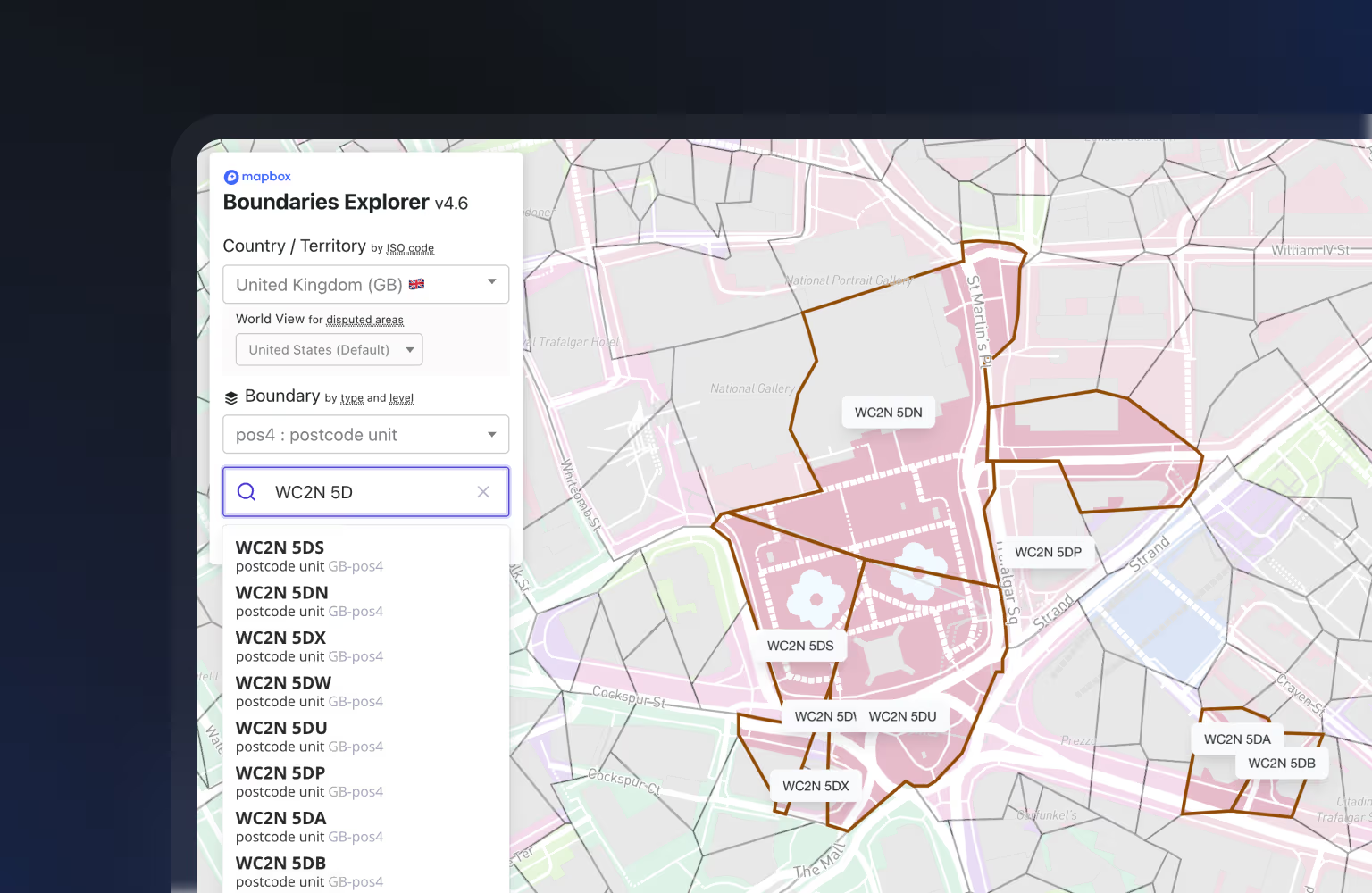
Highly adaptable to custom use cases
Business intelligence and analytics
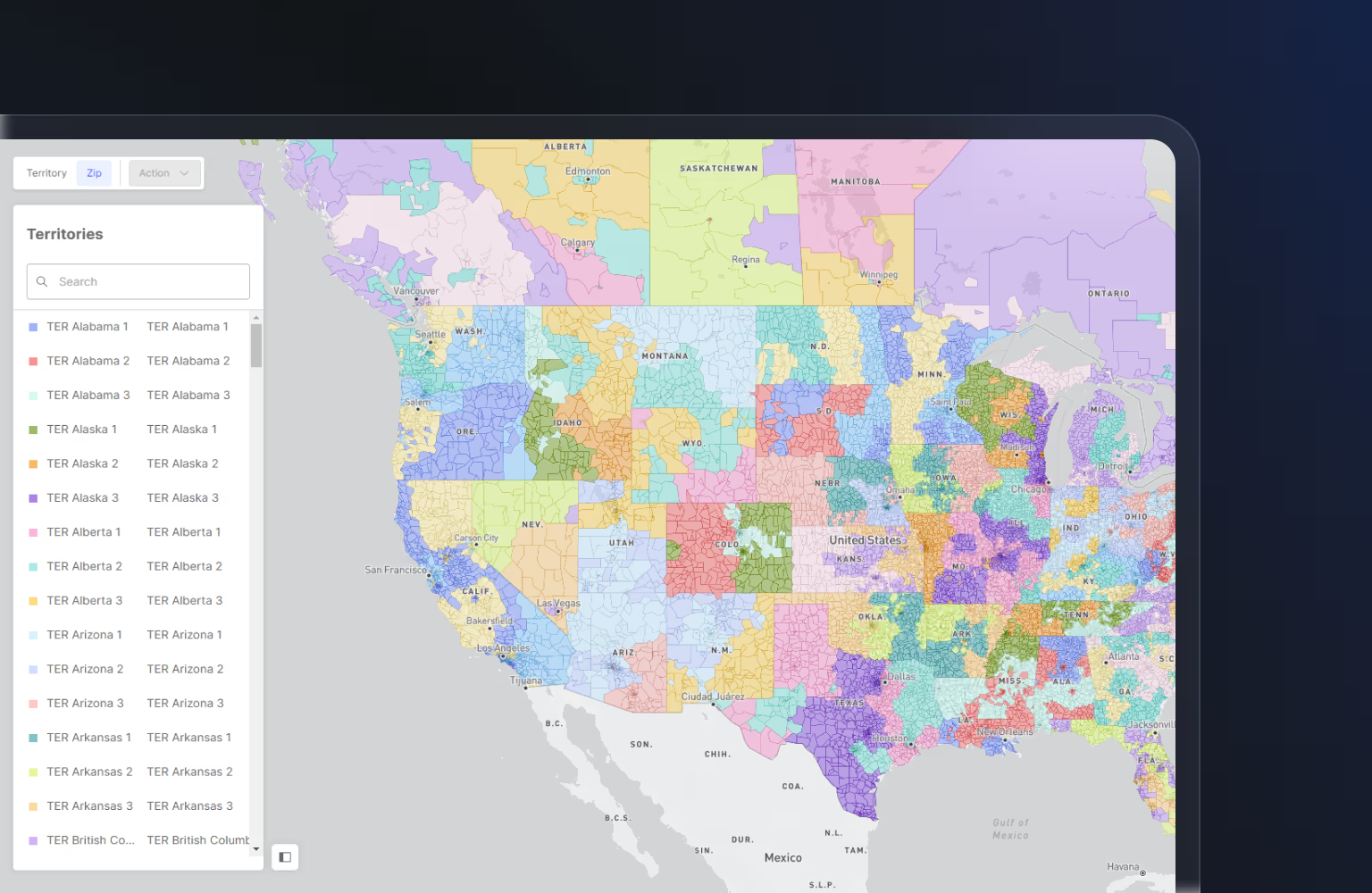
Territory planning
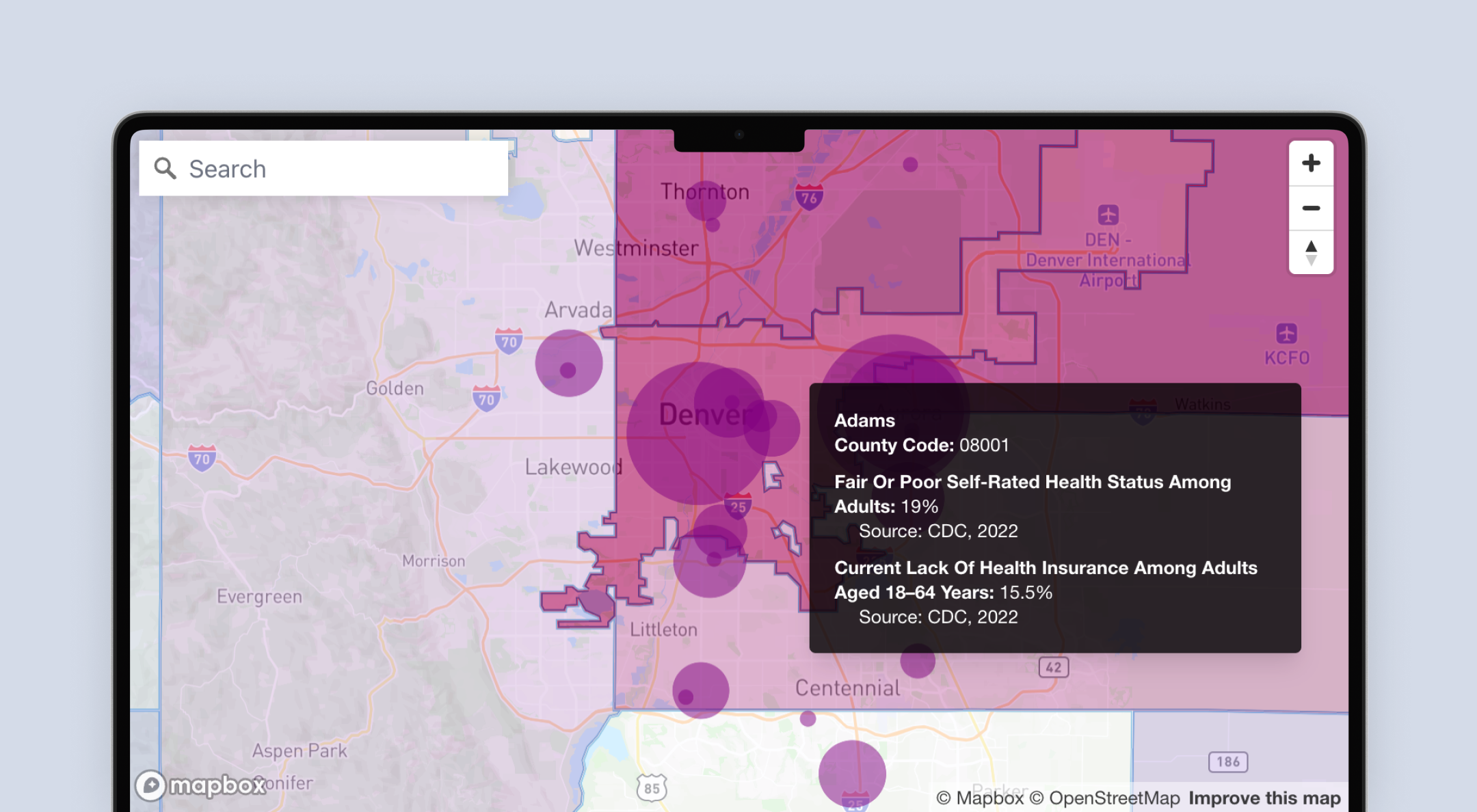
Data visualization
Metadata and content tagging
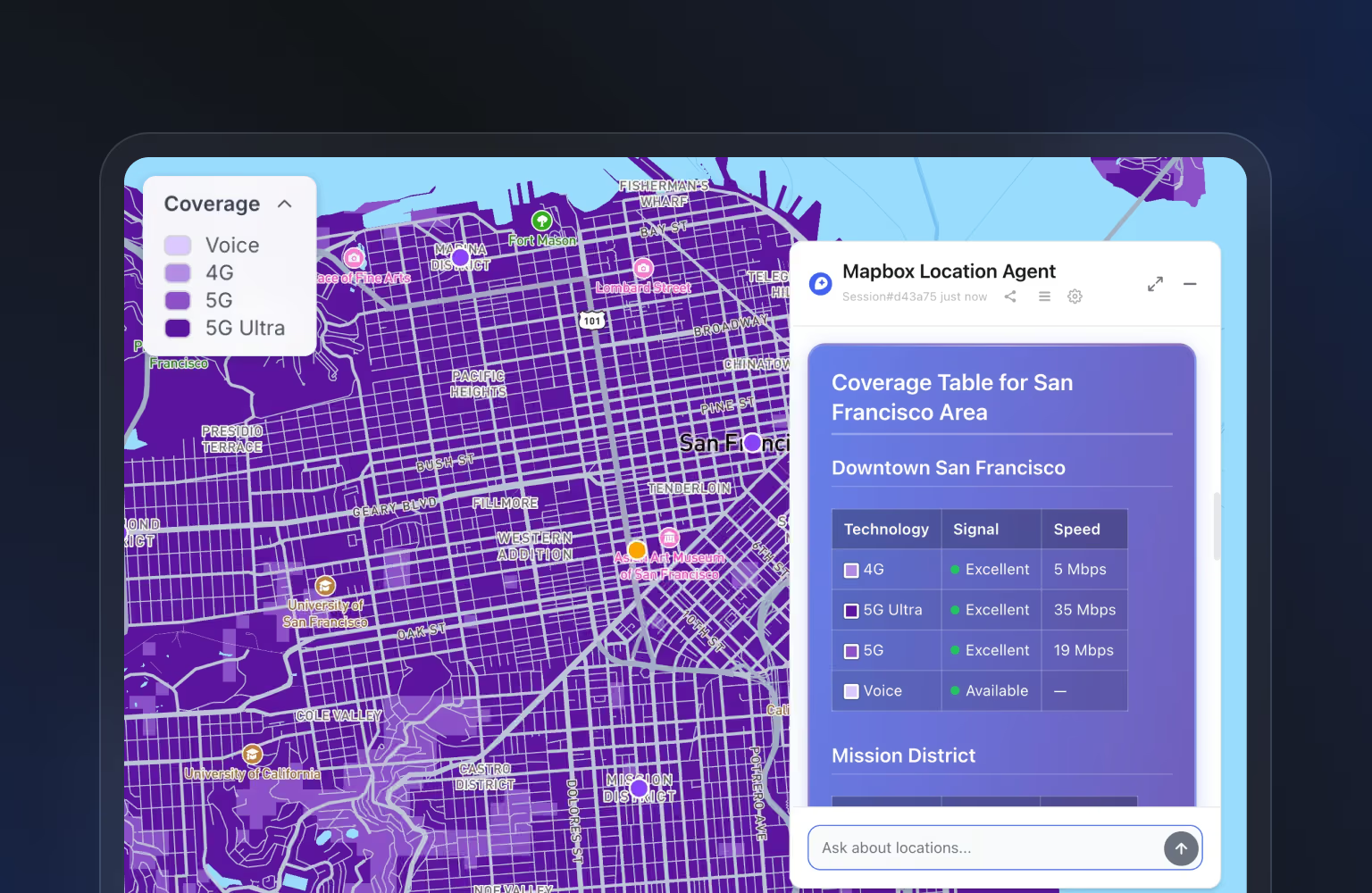
Service coverage and resource planning
Customer stories




Developer resources
See what Mapbox is made of with key developer tools and community resources.
Webinar: How to Build Election Data Maps with Precise Boundaries and AI
Learn practical techniques for building election data maps with high-precision boundaries, dynamic data integration, and AI-powered workflows.
Introducing Mapbox Boundaries flat file format: Advanced analysis & data-driven decisions
Learn how the new flat file format makes it easier to access, analyze, and integrate boundary.
Webinar: How Mapbox interactive boundaries and mapping solutions empower election storytelling
See how interactive boundaries and mapping tools help visualize election data and create compelling, data-driven stories.
Boundaries documentation
Get started with Mapbox Boundaries, including data structure, access methods, and guides for integrating boundary data into your applications.
Mapbox Boundaries 101: Data quality and business impact
Understand how high-quality boundary data improves decision-making and drives business outcomes across industries and use cases.
Geospatial storytelling with Tableau and Mapbox Boundaries
Discover how to combine Mapbox Boundaries with Tableau to create rich, interactive visualizations for geospatial storytelling.
Frequently Asked Questions
Mapbox Boundaries is an expertly curated set of global boundary data that allows you to add boundaries to your maps, dashboards, and data visualizations. Mapbox Boundaries consists of multiple data layers that come cartographically-matched, georeferenced, and processed as a Mapbox vector tileset ready for integration with your maps and data.
Mapbox Boundaries makes maps more useful by enablinginteraction with worldwide polygons, adding valuable context to your maps and supporting comprehensive analysis. This added coverage can help:
- A sales team visualizing revenue by US state to determine territories.
- A real estate firm counting POIs by US zip code to build a “livability” index.
- A regional disaster response center using city and county boundaries to determine jurisdiction for emergency response.
- A utility or energy company visualizing and assessing localities affected by transmission infrastructure planning.
There are currently five data types in Mapbox Boundaries:
- Administrative: Divisions within a country or territory delineated for the purpose of general administration. These usually have a capital and some type of government of their own, with the power to set laws and collect taxes throughout the division.
- Legislative: Constituency areas for various types of legislative assemblies or regional councils. Typically voters elect a single representative to a larger body from each of these areas.
- Locality: These are types of places that do not necessarily represent any official boundaries, but are nonetheless commonly used as definitions of “place.”
- Postal: These are approximate areas of mail delivery based on national postal code systems.
- Statistical: These are non-administrative boundaries that are most commonly used for statistical purposes. These might be officially defined by a governmental statistical bureau, or historical administrative boundaries that are still relevant for statistical uses (e.g. Census blocks in the US).
Mapbox Boundaries is a world wide, curated data product that covers everything from Chinese prefectures and Japanese 7-digit postal codes to French arrondissements and US neighborhoods. Exact coverage varies by country and we encourage you to explore the Mapbox Boundaries country explorer to see all of the data available to you.
Additionally, Mapbox Boundaries has worldviews for Chinese, Japanese, Indian, and US or International audiences, so you can provide localized context for data to your customers wherever they do business.
Follow this getting started guide to begin building maps with Mapbox Boundaries.
All of Mapbox Boundaries are available via Mapbox vector tiles or in flat file GeoJSON format.
The vector tileset format offers quick and lightweight API access. The flat file format allows for self-hosted deployments, air-gapped environments, and advanced geospatial analysis in data science and business intelligence settings. See the flat files in action or Request flat file sample data.
Mapbox Boundaries facilitates data driven decision making by enabling you to join custom data with boundary polygons. The data product also allows you to visualize your data by areas such as country, region, sub-region, or post code to unlock insights within your application. You can:
- Group and aggregate statistics by any type of boundary, including easy drill down, with Data-Joins.
- Match point features - any longitude & latitude - to any boundary from our Tilequery API.
- Extend Mapbox Boundaries with any custom polygons you need for your application.
Here is an example that demonstrates how a user can aggregate point data into polygon hierarchies (using the data join technique and the Tile Query API) to analyze hospital charges in the US - all rendered through an interactive map with GL JS.
Please refer to the feature lookup tables that can be found in our Mapbox Boundaries getting started guide.
To purchase a Mapbox Boundaries license, please contact our sales team or your assigned Mapbox representative.
To add Mapbox Boundaries to a map style in Mapbox Studio, select the “Add Layer” button and view the “Sources” tab. Next, add the desired tilesets as a layer within a map by selecting specific boundary tilesets from the list of Mapbox Boundaries tilesets. Except for the countries-v1 tileset, access to the Mapbox Boundaries tilesets is controlled by your Mapbox account access token and requires a license. To start a trial of Boundaries, please contact our sales team.
Ready to get started?
Create an account or talk to one of our experts.