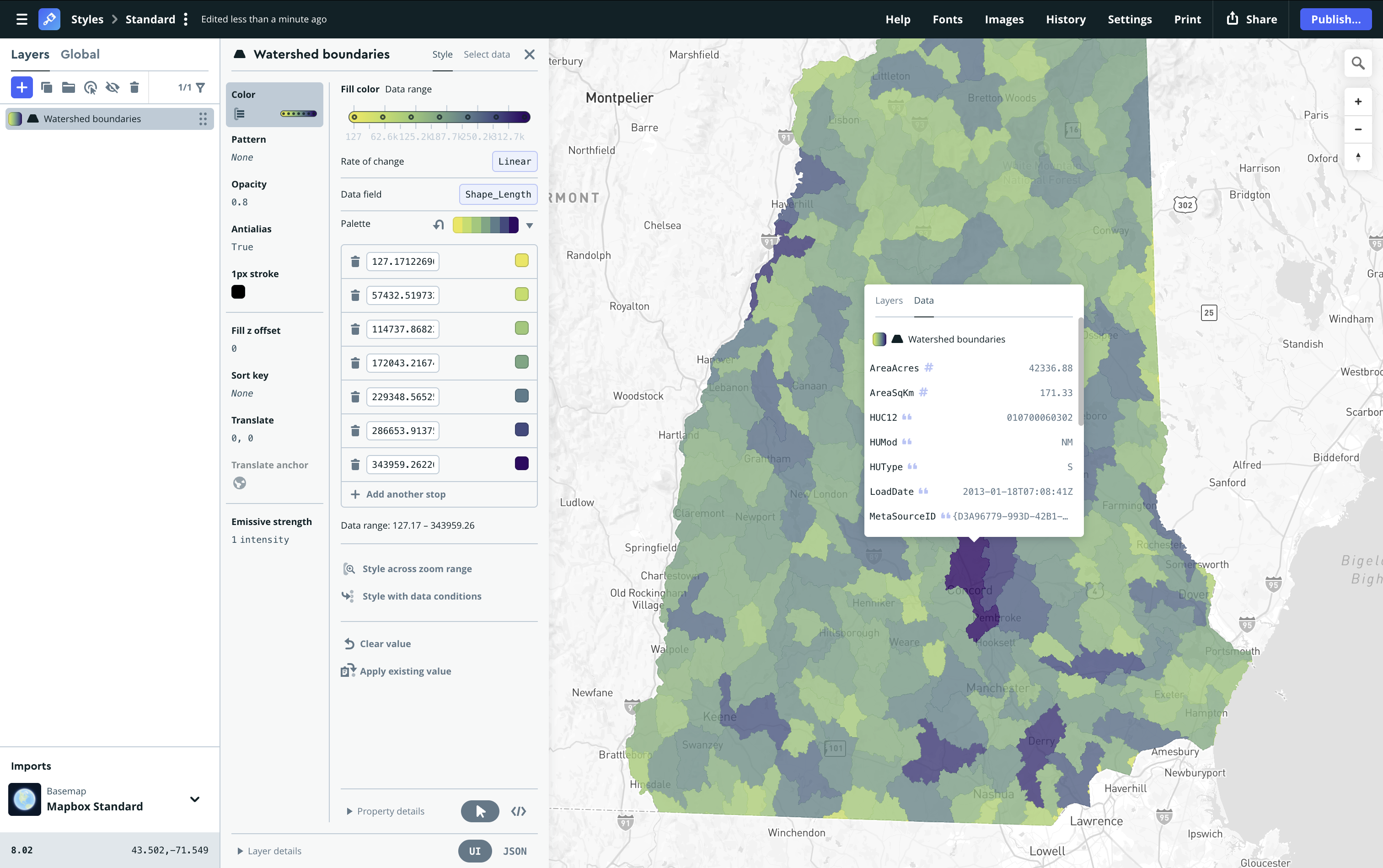
What makes a map feel like the city it represents?
For many people, it is not roads or labels. It is the landmarks and iconic streetscapes. A famous building. A busy entertainment district. A giant billboard, statue, or lit-up thoroughfare that catches your eye as you move through the city.
Mapbox Standard is designed to convey the feel of a place in digital map experiences. As the default style across Mapbox rendering platforms, Standard combines a carefully designed visual aesthetic with high performance, dynamic lighting, and detailed 3D landmarks.
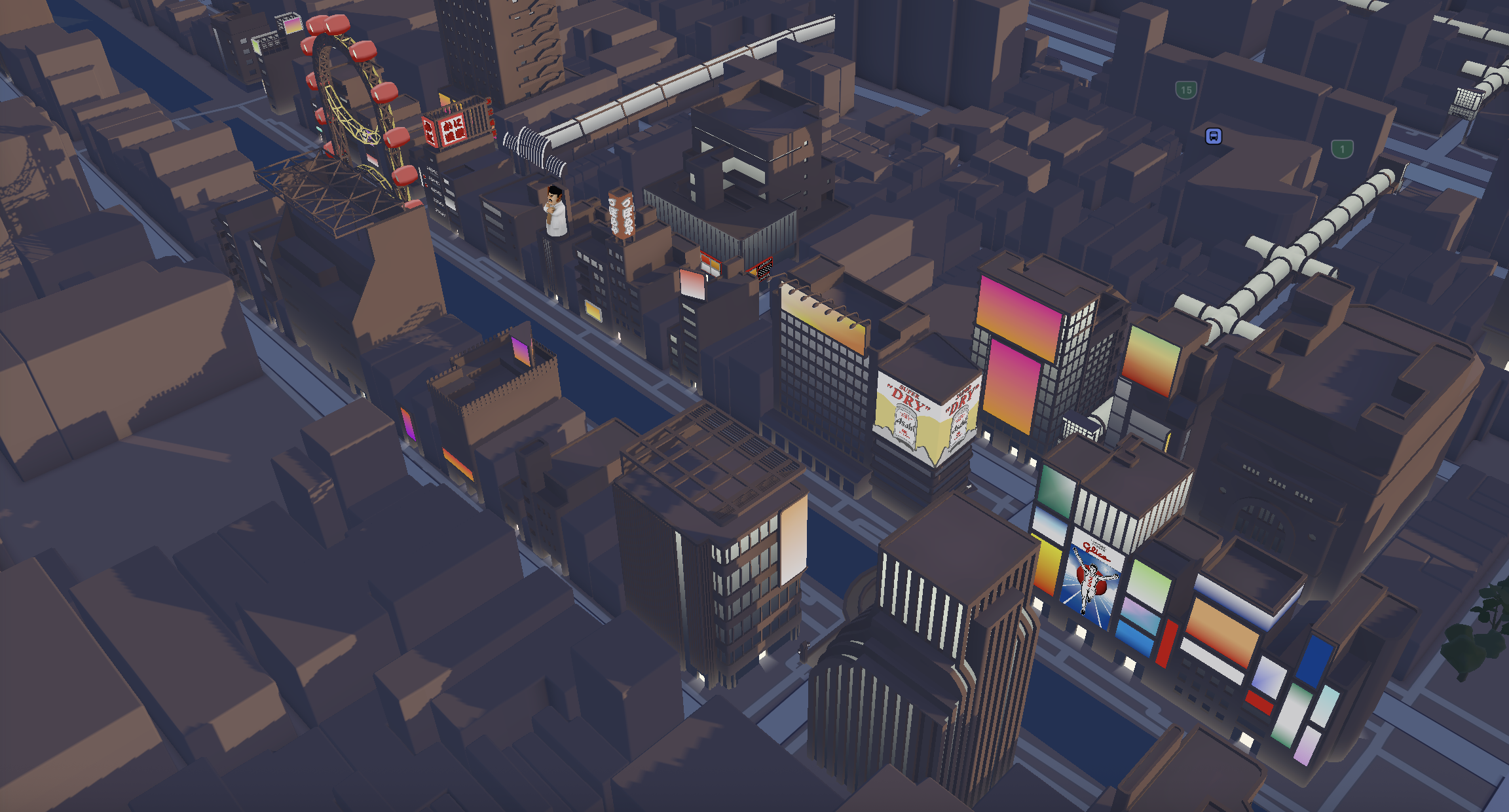
In this post, we take a closer look at Osaka, Japan to demonstrate how 3D landmarks and billboard details help create a more familiar map experience.
Why visual details matter in digital maps
Today, maps power in-car systems, travel apps, mobility services, logistics platforms, games, and AI interfaces. Across these experiences, visual context helps people understand where they are and what is around them. Recognizable landmarks and detailed buildings connect the map to the physical world, creating a stronger sense of place and making exploration feel more natural.
Mapbox Standard was designed for this purpose: to give developers a simpler way to build polished, visually rich maps that continue to improve over time.
Some of the features available in Mapbox Standard include:
- 3D landmark buildings
- Dynamic lighting capabilities
- Expertly designed map aesthetics
- Consistent visual quality across platforms
- Automatic style improvements from Mapbox
- High-performance rendering
Together, these elements help create maps that are both useful and visually engaging.
A closer look at Osaka
Osaka is one of Japan's most recognizable cities.
Known for its entertainment districts, commercial centers, and iconic architecture, it offers an excellent example of how detailed 3D content can make a digital map feel more connected to a real-world location.
In the flyover videos below, you can see how Mapbox Standard represents major landmarks throughout the city while preserving the character that makes Osaka unique.
As the camera moves through the city, buildings rise from the map surface and create a more realistic sense of depth and scale.
These details are especially useful in applications where orientation matters. Whether users are planning a trip, exploring a city, or following a route, recognizable landmarks can help them better understand their surroundings.
Bringing city streets to life with billboard details
One of the most interesting and iconic visual characteristics of Osaka is its large collection of commercial signage and digital billboards. The displays are a defining part of many city districts and contribute to the atmosphere people associate with Osaka. In Osaka’s Dotonbori, giant animated billboards — from the iconic Glico Running Man to the moving crab signs — have become landmarks so recognizable that they often serve as navigation points for visitors.
Mapbox Standard includes billboard and facade details that help reflect this character.
Rather than showing buildings as simple geometric shapes, billboard textures introduce another layer of visual context. As users move through the map, these details help make urban environments feel more recognizable and authentic.
For developers, the details in Mapbox Standard mean that applications can provide a stronger visual connection to real places without requiring extensive custom design work.
Dynamic lighting creates a more natural experience
Lighting shapes how users perceive a map. Mapbox Standard uses dynamic lighting to reflect different conditions and times of day, helping buildings, roads, and landmarks feel more natural while staying easy to read.
Combined with detailed 3D landmarks, these lighting effects add depth and presence, making the map feel more connected to the physical world.
The goal of Mapbox Standard is to create maps that feel more connected to the places people know and experience every day. Detailed landmarks, realistic lighting, and local visual elements help bridge the gap between the digital map and the real world. - Andrei Sapsaliou, 3D Content Manager at Mapbox
The Osaka flyovers show how Mapbox Standard brings together 3D landmarks, billboard details, dynamic lighting, and thoughtful design to reflect the character of real places. As Mapbox expands landmark coverage and refines its visuals, developers can build map experiences that feel increasingly grounded in the world around them.
Designed for modern 3D experiences
Creating visually rich maps is only part of the challenge. Maps must also load quickly and perform smoothly across different devices and platforms.
Mapbox Standard balances visual quality with performance. It serves as the default map style across Mapbox rendering SDKs, including:
- Mapbox GL JS
- Maps SDK for iOS
- Maps SDK for Android
- Maps SDK for Flutter
The data and design that power Standard are both continuously updated by Mapbox. Applications using Standard receive visual improvements automatically, requiring no action by developers. This approach reduces developer maintenance time while helping applications benefit from ongoing improvements in cartography, rendering, and 3D content.
Get started with Mapbox Standard today by selecting it as the map style in your preferred Mapbox SDK. Whether you are building for web, mobile, automotive, logistics, travel, or immersive applications, Standard provides a high-quality foundation that is ready to use and built to improve over time.



Related articles
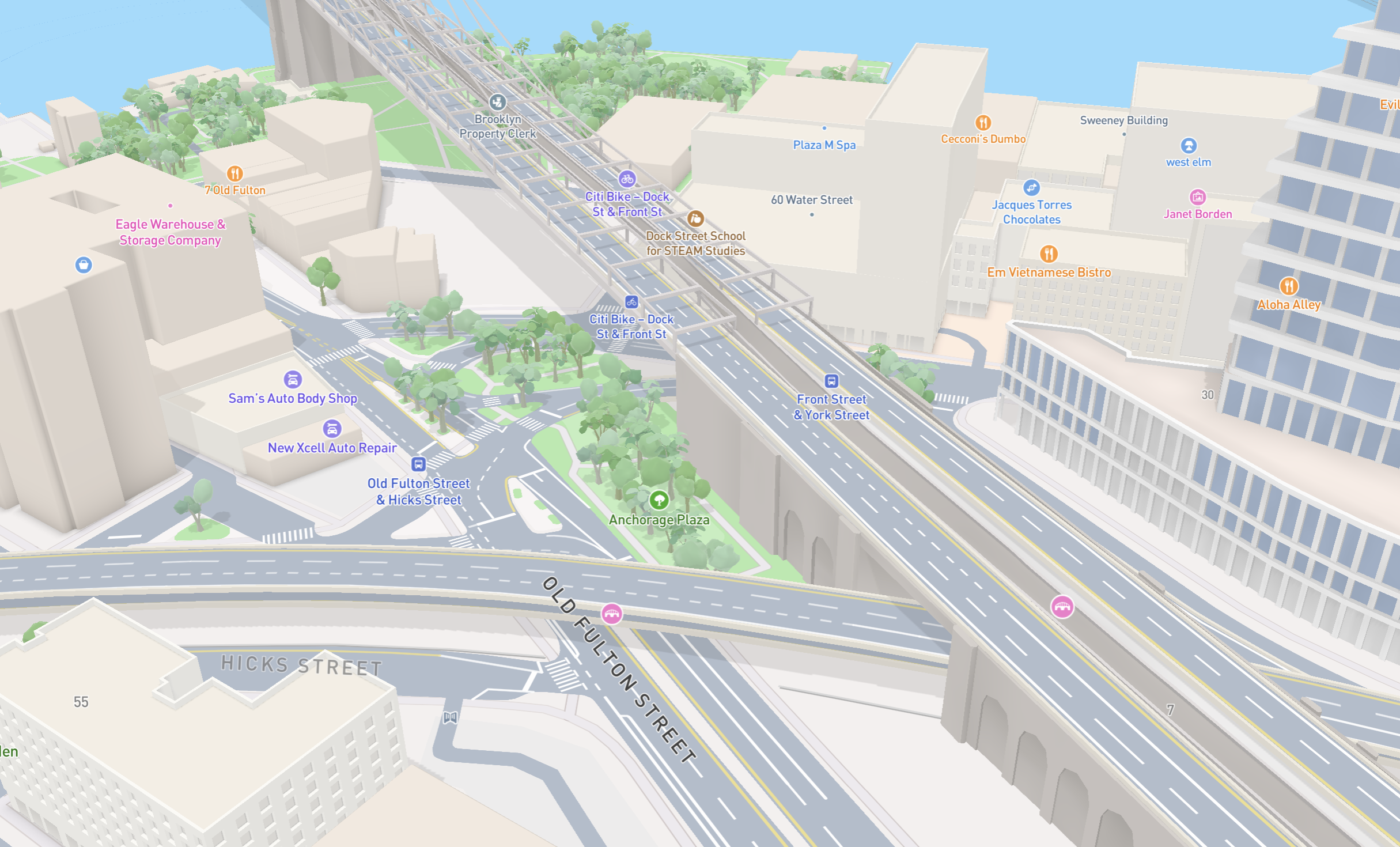
HD Roads bring lane-level detail to Mapbox Standard
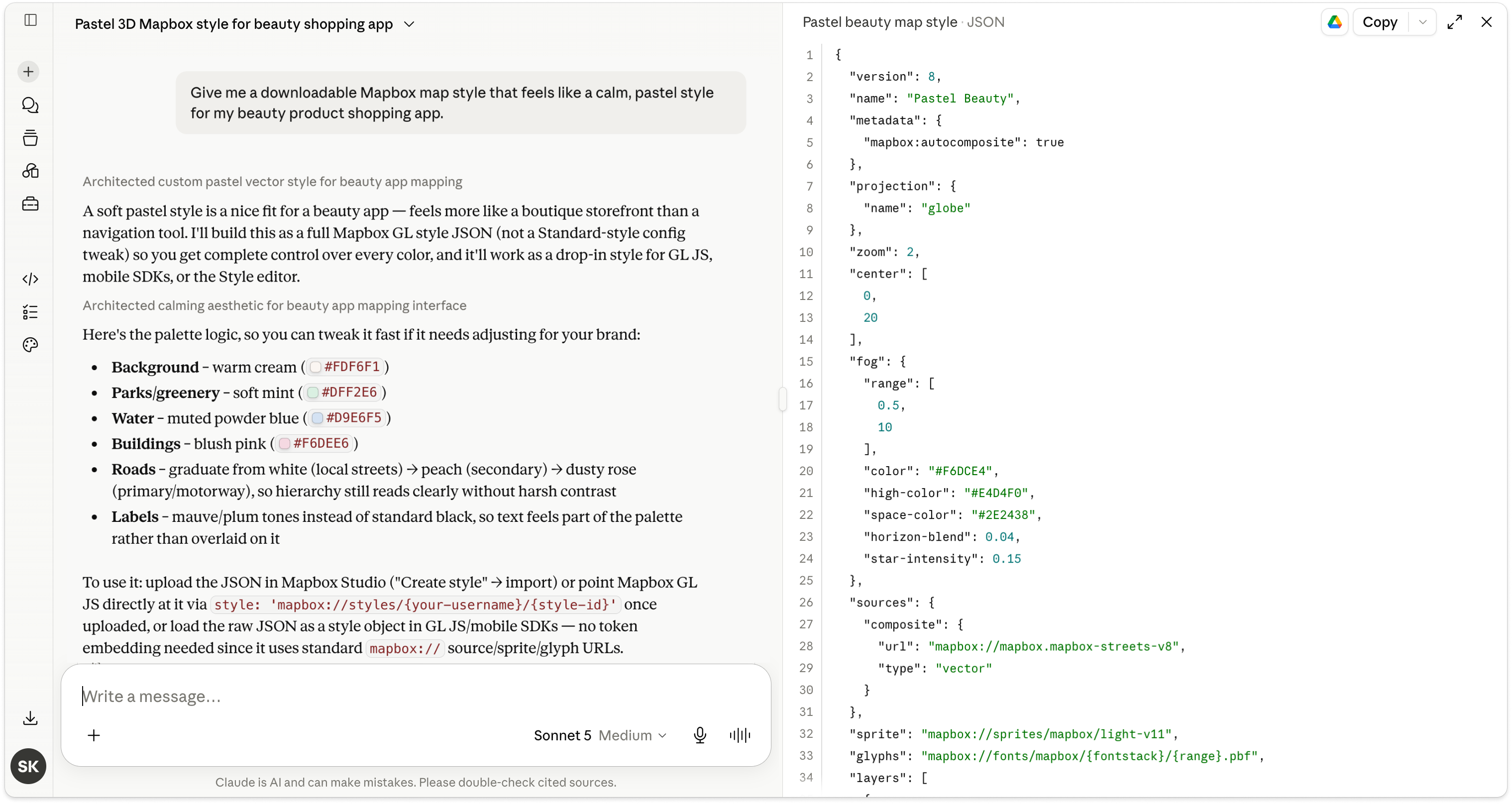
Turn AI-generated map styles into production-ready maps in minutes with Mapbox Studio