From airports to stadiums, maps are elevating the soccer fan experience
As millions of fans travel for the world's biggest soccer event, innovation beyond the pitch is helping them navigate every step.
Millions of fans are crossing borders, navigating unfamiliar cities, and packing into iconic stadiums for the world's biggest soccer event. Behind many of those experiences is a technology that's easy to overlook: digital maps. From finding an airport pickup after a long flight to locating the right stadium entrance or discovering a hidden local favorite, digital mapping is helping fans spend less time navigating and more time enjoying the action.
Enhanced airport navigation experiences
One of the most talked-about navigation updates this year comes from ride-hailing apps introducing enhanced airport wayfinding features. Now is the perfect time to appreciate the usefulness of the enhanced indoor maps as millions of soccer fans travel to and from host city airports across North America.
.gif)
In Uber's recently launched airport wayfinding experience, travelers can view detailed indoor maps and walking directions from their arrival gate all the way to their pickup location. The indoor airport maps use smooth rendering map visuals and a polished design that blends the indoor airport floorplans with the wider map. Detailed walking routes and step-by-step directions guide travelers through not only terminals but also pedestrian walkways and garages. The result is less time searching for pickup zones and more time making a kickoff, meeting friends, or exploring a host city.
3D stadium maps inform and impress
From official tournament maps to interactive tours, soccer stadiums are on the map this month. However, navigating massive modern venues can feel like a maze, especially when you're trying to find a specific gate, concession stand, or seat among tens of thousands of fans.
Modern mapping platforms are making stadium experiences far more intuitive. With detailed indoor maps, custom 3D models, and multi-level routing, developers can build experiences that help visitors find the fastest route to a section, track down a food stand before halftime, or meet up with friends in a packed venue.
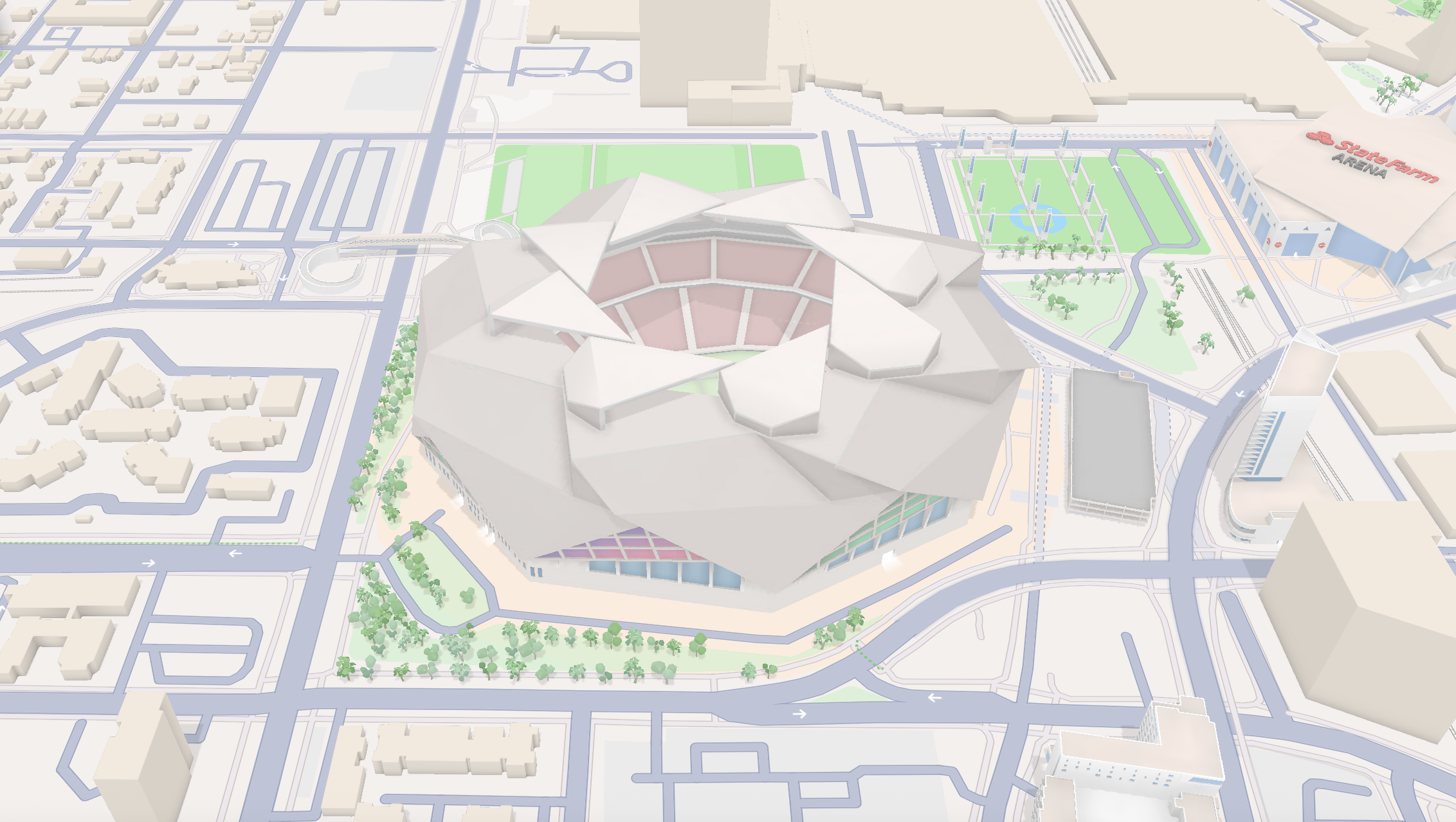
Many of the latest stadium maps showcase advances in 3D map design and rendering. Interactive venue models help fans plan ahead before game day, get oriented on the way to the stadium, and navigate confidently once they arrive.
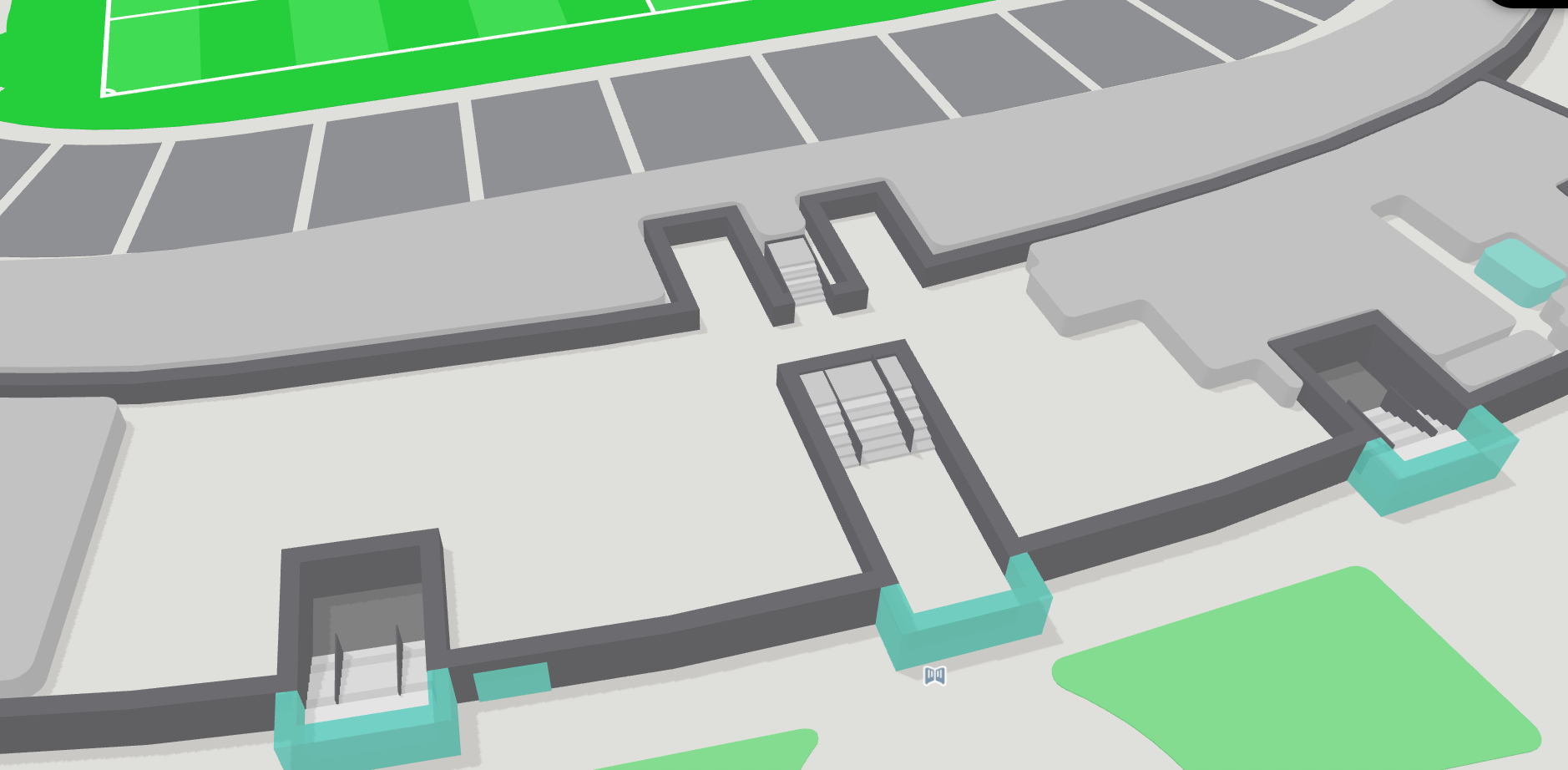
Many of these experiences stand out through customized branding, colorful accents, and highly detailed floorplans. Developers who create 3D models for complex structures will appreciate details such as stairs that properly transition between levels and other venue elements that accurately reflect the physical space.
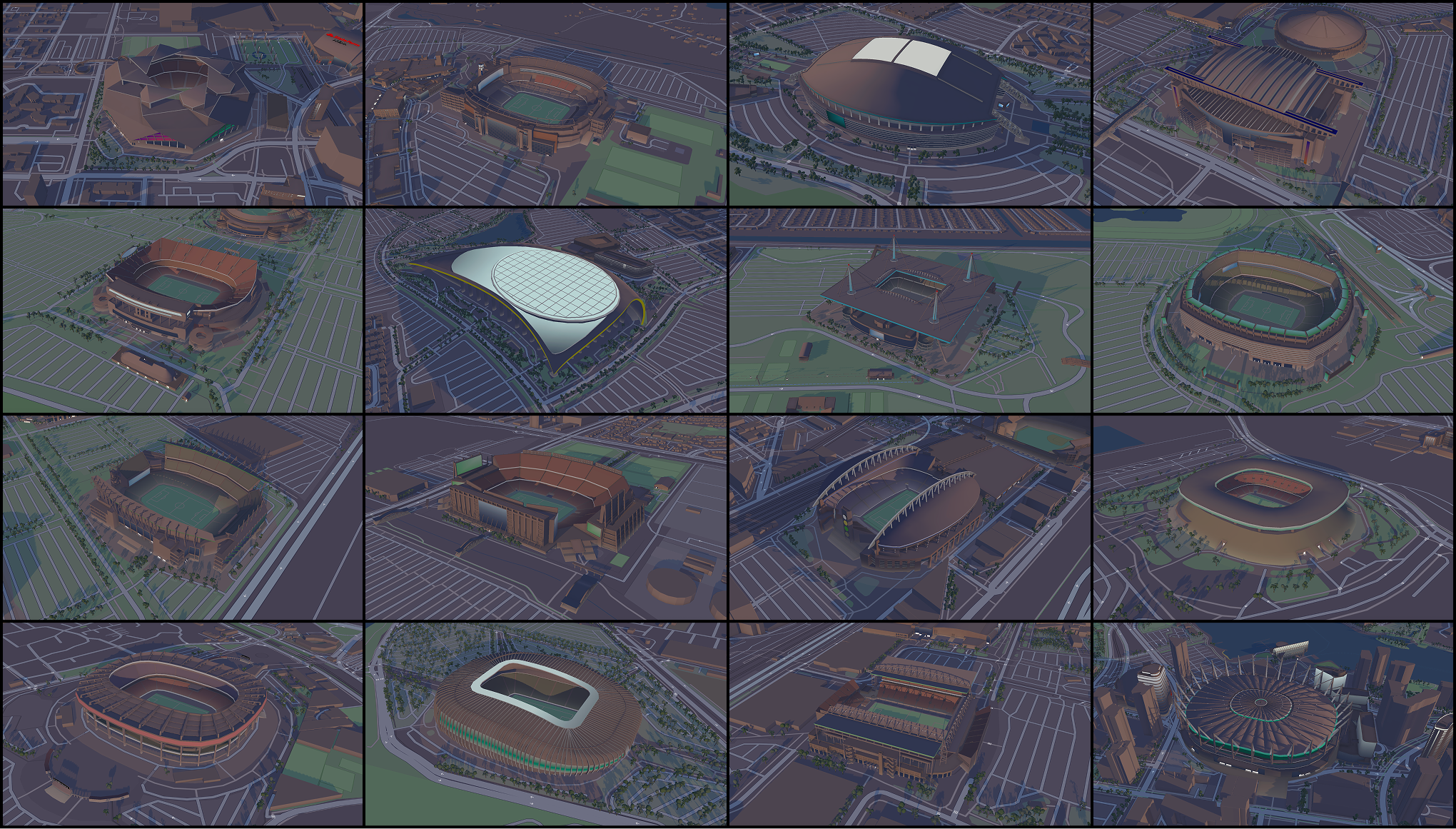
Even before fans arrive, maps help iconic venues stand out and become recognizable landmarks. To support that experience, Mapbox recently refreshed 16 major stadiums with enhanced architectural details in the 3D Landmarks dataset for the Mapbox Standard map style.
To build with custom 3D models for indoor spaces or large events like concerts or festivals, check out Mapbox code examples for 3D models and a detailed guide to using custom 3D models with Mapbox GL JS or the Mapbox mobile SDKs.
Travel and tourism apps score goals with visitors
For many visitors, attending a live match is only part of the journey. Fans are extending trips to explore host cities, discover local attractions, and experience destinations they may never have visited before. Travel platforms are increasingly combining conversational AI with interactive maps, allowing travelers to ask questions naturally, such as where to stay near a venue, what neighborhoods to explore, or how to build a multi-day itinerary, and instantly visualize recommendations on a map. Many media outlets and local tourism authority sites are also offering host city itinerary recommendations and guided virtual tours for soccer fans.
Especially helpful is the Tripadvisor ‘Plan with AI’ conversational interface that helps travelers discuss their plans using natural language and displaying options for where to stay, dine, and visit on a beautiful interactive map.
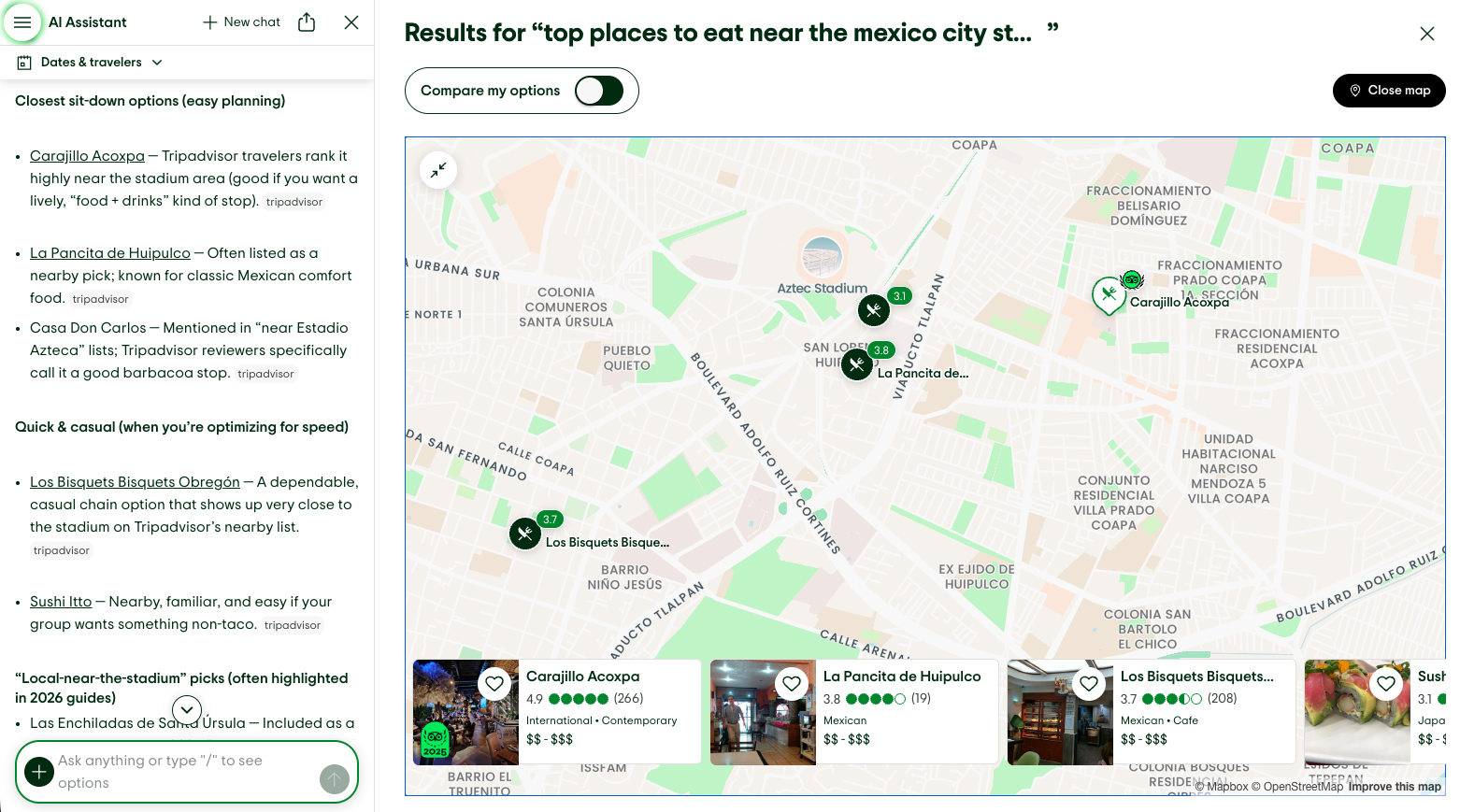
While the players compete on the field, a different kind of innovation is unfolding behind the scenes. From airports and transit systems to stadiums and travel apps, location technology is helping millions of visitors navigate unfamiliar places with confidence. The result is a smoother journey from arrival to kickoff and everywhere in between.
Have you spotted a standout map, navigation feature, or travel experience during this summer's soccer celebrations? Share it with us by tagging ‘Mapbox’ on social media.


Related articles
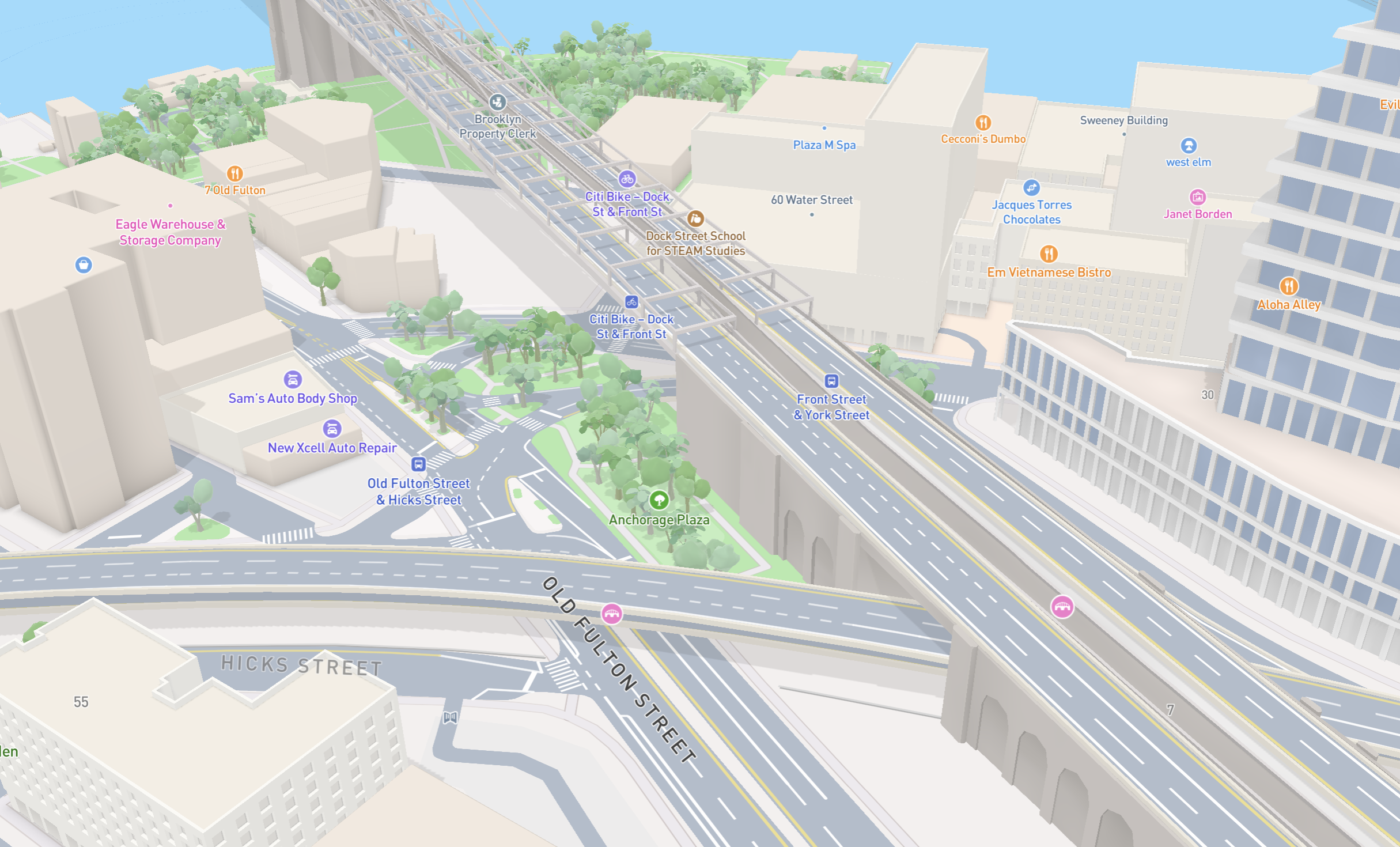
New road detail in Mapbox Standard
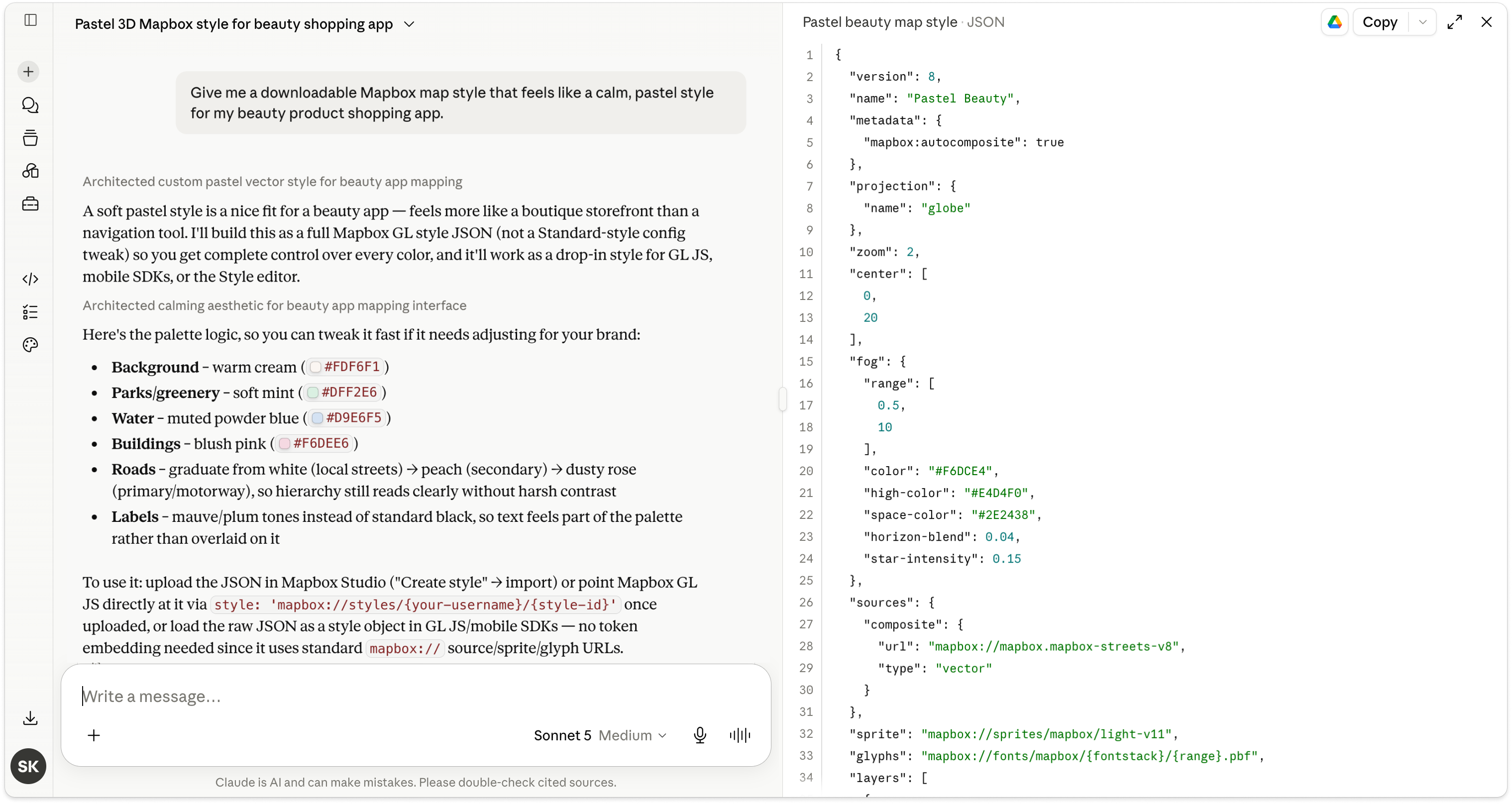
Turn AI-generated map styles into production-ready maps in minutes with Mapbox Studio